
Clever Living Homes vs Tiny Homes in NZ: What’s the Difference?
Introduction
If you’re considering a smaller home in New Zealand, you’ve probably come across both Clever Living homes and tiny homes.
While they may seem similar at first, they are actually quite different in terms of design, cost, consent requirements and long-term use.
In this guide, we’ll break down the key differences so you can decide which option is right for your situation in Hawke’s Bay.
If you’re exploring modern, efficient housing options, you can also view our Clever Living Co homes in Hawkes Bay to see real designs and layouts available.
If you’re comparing Clever Living homes and tiny homes / Granny Flats in Hawke’s Bay, this guide explains the key differences and which option may suit your situation.
What Is a Clever Living Home?
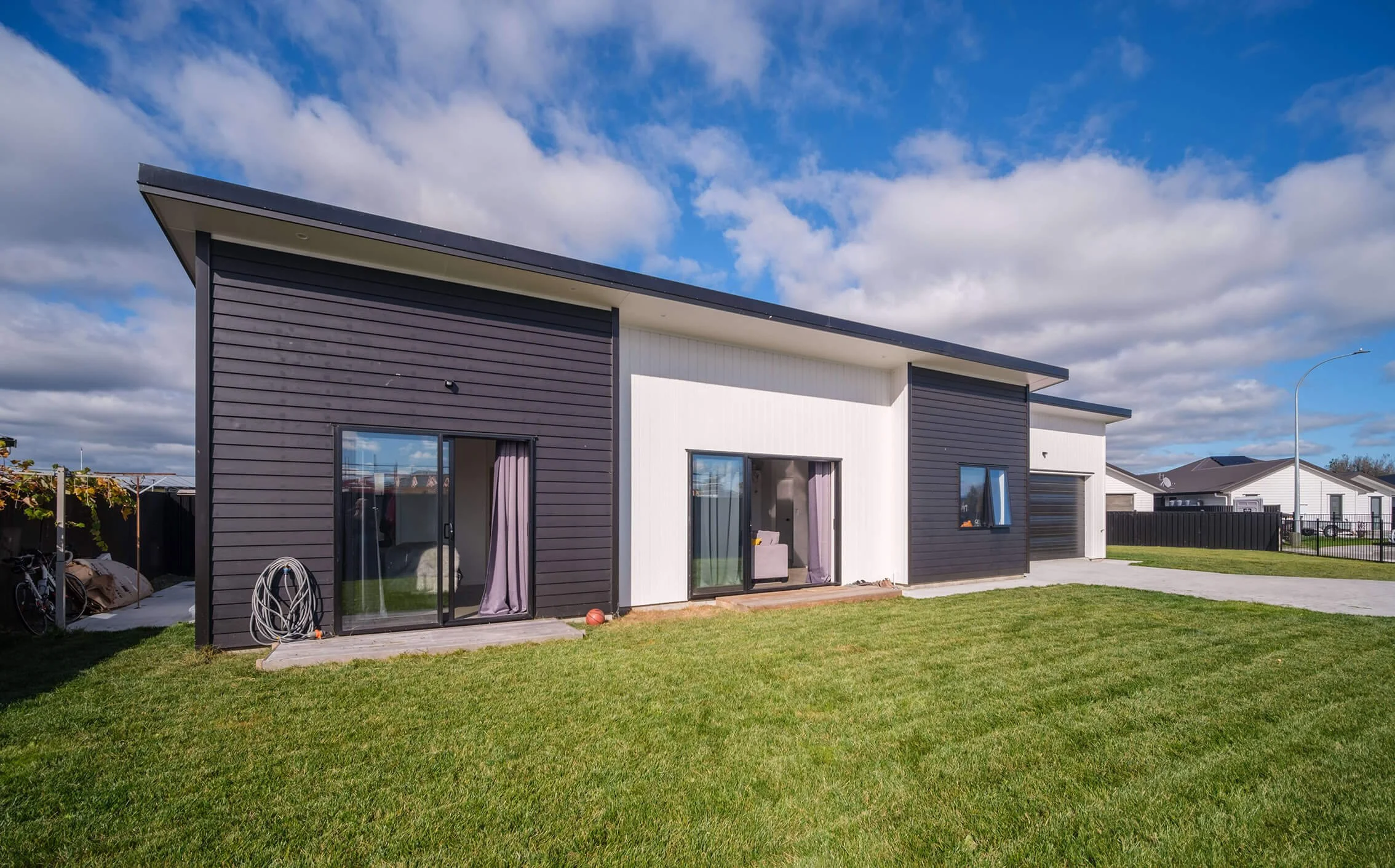
A Clever Living home is a pre-designed, architecturally considered house that can be built either on-site or transported to your property. These homes are designed to be efficient, cost-effective and suitable for a range of uses including full-time living, minor dwellings and rental properties.
They are often used as:
full-time homes
granny flats or minor dwellings
rental properties
You can explore available designs including the Angus, Suffolk, Dexter and Highland plans on our Clever Living home plans page.
What Is a Tiny Home?
A tiny home is typically a very small dwelling, often built on a trailer or designed to be relocatable.
They are usually:
under 50m²
highly compact
mobile or semi-permanent
designed for minimal living
Tiny homes are often chosen for lifestyle reasons rather than long-term housing solutions.
Key Differences Between Clever Living Homes and Tiny Homes
Clever Living homes are generally larger and designed for comfortable long-term living.
Clever Living co homes are attached to a foundation. They can be on timber piles or a concrete floor
Clever Living houses are attached to permanent and compliant services (water, sewage, and power).
Tiny homes are much smaller and require more compact living arrangements.
Tiny homes are generally on a trailer, and are often attached to temporary services or are off grid
Building Consent and Regulations
Clever Living homes are built to comply with the New Zealand Building Code and usually require consent depending on size and services.
Tiny homes can sometimes avoid consent if they remain on wheels and meet certain criteria, but this can create limitations.
If you’re considering consent rules, you may also want to read our guide on building a granny flat without consent in NZ
Comfort and Liveability
Clever Living homes are designed to feel like a standard house, with:
full kitchens
standard bathrooms
separate bedrooms
larger living spaces
Tiny homes prioritise compact living, which can be challenging for long-term use.
Cost Comparison
Tiny homes can appear cheaper upfront, but they may come with trade-offs in space, durability and resale value.
Clever Living homes typically cost more but offer a more permanent, comfortable and compliant housing solution.
For a full breakdown, see our Clever Living homes cost guide.
Transportability
Both options can be transportable, but in different ways.
Tiny homes are usually built on trailers so are certified to be towed on New Zealand roads
Clever Living homes can be transported on specialty house moving trailers or built on-site. They do require pilot vehicles and usually
get moved in the early hours of the morning. Your site will need to be assessed to ensure that the house can be located onsite.
Long-Term Value
Clever Living homes generally provide better long-term value because they are:
built to code
more widely accepted by councils
suitable for permanent living
Tiny homes can sometimes face limitations with financing, insurance and resale. They generally depreciate like a caravan.
Which Option Is Better for You?
If you are looking for a permanent, comfortable home or rental property, a Clever Living home is usually the better option.
If you are looking for a minimalist lifestyle or mobility, a tiny home may suit your needs.
Many homeowners in Hawke’s Bay choose Clever Living homes when they want something more substantial than a tiny home but still more affordable than a full new build.
If you’re weighing up options, you can also explore building a new home in Hawke’s Bay to compare larger builds.
Using Clever Living Homes as Granny Flats
Clever Living homes are often used as granny flats or minor dwellings due to their size and design flexibility.
They offer a practical solution for:
extended family living
rental income
second dwellings
Learn more about granny flats in Hawke’s Bay and how they compare.
There is a comprehensive granny flat cost guide for you to explore
Final Thoughts
Both Clever Living homes and tiny homes have their place.
However, for most people wanting a long-term, compliant and comfortable living solution, Clever Living homes provide a more practical option.
If you want to explore layouts and designs, check out our Clever Living co homes and plans including the Angus, Suffolk, Dexter and Highland designs.
FAQs
Are Clever Living homes bigger than tiny homes
Yes. Clever Living homes are generally larger and designed for full-time living, while tiny homes are much smaller and more compact.
Are tiny homes legal in New Zealand?
Tiny homes can be legal depending on how they are used, but they may face limitations around consent, zoning and services.
Can Clever Living homes be used as granny flats?
Yes. Many Clever Living homes are suitable as granny flats or minor dwellings, depending on council rules and site conditions.
Which is cheaper: tiny homes or Clever Living homes?
Tiny homes are usually cheaper upfront, but Clever Living homes offer better long-term value, comfort and compliance.
Are Clever Living homes transportable?
Some Clever Living homes can be transported depending on design and access, while others are built on-site.
Do banks finance tiny homes and Clever Living homes?
Clever Living homes are generally easier to finance because they are built to code and considered permanent dwellings. Tiny homes can sometimes be more difficult to finance.